In the realm of industrial operations, the significance of a CO2 recovery plant cannot be overstated. As a leading supplier of CO2 recovery plants, I am excited to delve into the data logging and analysis functions that are integral to the efficient and effective operation of these facilities. Co2 Recovery Plant
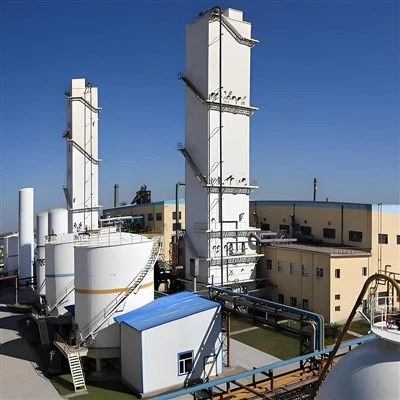
Data Logging in a CO2 Recovery Plant
Data logging is the process of collecting and storing data over time. In a CO2 recovery plant, this involves the continuous monitoring of various parameters that are crucial for the plant’s operation. These parameters can be broadly categorized into three main areas: process variables, equipment performance, and environmental factors.
Process Variables
Process variables are the key indicators of the CO2 recovery process. They include temperature, pressure, flow rate, and concentration of CO2. Temperature is a critical parameter as it affects the solubility of CO2 in the absorbent solution. Pressure also plays a vital role, as it influences the separation of CO2 from the gas stream. Flow rate is important for maintaining the proper balance between the gas and liquid phases in the plant. And the concentration of CO2 is a direct measure of the plant’s efficiency in capturing and recovering CO2.
For example, in the absorption column, the temperature and pressure need to be carefully controlled to ensure optimal absorption of CO2. If the temperature is too high, the solubility of CO2 in the absorbent solution decreases, leading to lower recovery rates. Similarly, if the pressure is too low, the separation of CO2 from the gas stream becomes less efficient.
Equipment Performance
Monitoring the performance of the equipment in a CO2 recovery plant is essential for ensuring its reliable operation. This includes monitoring the performance of pumps, compressors, heat exchangers, and other critical components. By logging data on the equipment’s operating parameters, such as power consumption, vibration levels, and temperature, we can detect any potential issues early on and take proactive measures to prevent breakdowns.
For instance, if a pump is consuming more power than usual, it could indicate a problem with the pump’s impeller or a blockage in the pipeline. By analyzing the data logged from the pump’s sensors, we can identify the root cause of the problem and take appropriate action to fix it.
Environmental Factors
Environmental factors, such as ambient temperature, humidity, and air quality, can also have a significant impact on the performance of a CO2 recovery plant. By logging data on these factors, we can better understand how they affect the plant’s operation and make necessary adjustments to optimize its performance.
For example, high humidity levels can increase the corrosion rate of the equipment, while poor air quality can contaminate the absorbent solution. By monitoring these environmental factors, we can take steps to mitigate their effects and ensure the long-term reliability of the plant.
Data Analysis in a CO2 Recovery Plant
Once the data has been logged, the next step is to analyze it to gain insights into the plant’s operation. Data analysis involves using statistical and mathematical techniques to identify trends, patterns, and relationships in the data. This can help us to optimize the plant’s performance, improve its efficiency, and reduce its operating costs.
Trend Analysis
Trend analysis is a powerful tool for understanding the long-term behavior of the plant. By analyzing the data over time, we can identify trends in the process variables, equipment performance, and environmental factors. This can help us to predict future behavior and take proactive measures to prevent potential problems.
For example, if we notice a gradual increase in the temperature of the absorption column over time, it could indicate a problem with the cooling system. By analyzing the trend data, we can identify the root cause of the problem and take appropriate action to fix it before it leads to a major breakdown.
Correlation Analysis
Correlation analysis is used to identify relationships between different variables in the plant. By analyzing the data, we can determine which variables are strongly correlated and how they affect each other. This can help us to optimize the plant’s operation by adjusting the values of the correlated variables.
For example, if we find that the flow rate of the gas stream is strongly correlated with the concentration of CO2 in the absorbent solution, we can adjust the flow rate to optimize the recovery of CO2.
Fault Detection and Diagnosis
Fault detection and diagnosis is an important aspect of data analysis in a CO2 recovery plant. By analyzing the data, we can detect any abnormal behavior in the plant and diagnose the root cause of the problem. This can help us to take corrective action quickly and minimize the impact of the fault on the plant’s operation.
For example, if we notice a sudden increase in the vibration levels of a compressor, it could indicate a problem with the compressor’s bearings. By analyzing the data from the compressor’s sensors, we can diagnose the problem and take appropriate action to fix it.
Benefits of Data Logging and Analysis in a CO2 Recovery Plant
The data logging and analysis functions in a CO2 recovery plant offer several benefits, including:
Improved Efficiency
By monitoring and analyzing the process variables, equipment performance, and environmental factors, we can identify opportunities to optimize the plant’s operation and improve its efficiency. This can lead to significant cost savings and reduced energy consumption.
Enhanced Reliability
By detecting and diagnosing potential problems early on, we can take proactive measures to prevent breakdowns and ensure the reliable operation of the plant. This can minimize downtime and reduce maintenance costs.
Regulatory Compliance
Data logging and analysis can help us to ensure that the plant is operating in compliance with environmental regulations. By monitoring the emissions of CO2 and other pollutants, we can demonstrate that the plant is meeting the required standards.
Continuous Improvement
By analyzing the data over time, we can identify areas for improvement and implement changes to enhance the plant’s performance. This can lead to continuous improvement in the efficiency, reliability, and environmental performance of the plant.
Conclusion

In conclusion, data logging and analysis are essential functions in a CO2 recovery plant. By monitoring and analyzing the process variables, equipment performance, and environmental factors, we can optimize the plant’s operation, improve its efficiency, and reduce its operating costs. As a supplier of CO2 recovery plants, we are committed to providing our customers with the latest technology and expertise in data logging and analysis to help them achieve their sustainability goals.
Nitrogen Plant If you are interested in learning more about our CO2 recovery plants and the data logging and analysis functions they offer, please contact us to schedule a consultation. We look forward to working with you to find the best solution for your needs.
References
- Smith, J. (2020). Data Logging and Analysis in Industrial Processes. Elsevier.
- Johnson, A. (2019). Optimization of CO2 Recovery Plants. Springer.
- Brown, C. (2018). Environmental Monitoring and Compliance in CO2 Recovery Plants. Wiley.
Newteck (Hangzhou) Energy Technology Co., Ltd
We’re professional co2 recovery plant manufacturers and suppliers in China, specialized in providing high quality products and service. We warmly welcome you to buy co2 recovery plant made in China here from our factory.
Address: Room 8008-8016, Flat No.2, Taotiandi Business Plaza, Hangzhou, China.
E-mail: inquiry@newtekcryogenic.com
WebSite: https://www.newtekcryogenic.com/
