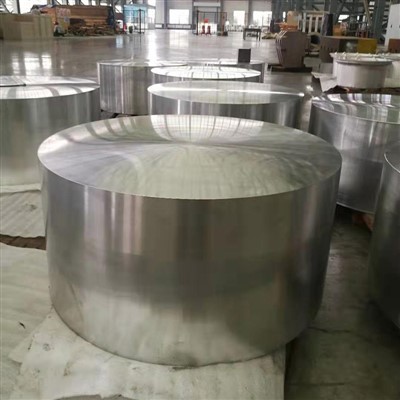
Forging aluminum is a complex and precise process that requires careful attention to every step, especially the pre – heating stage. As an aluminum forging supplier, I’ve witnessed firsthand how crucial proper pre – heating is for achieving high – quality forged aluminum products. In this blog, I’ll share some insights on how to pre – heat aluminum for forging, drawing from my years of experience in the industry. Aluminum Forging
Understanding the Importance of Pre – heating Aluminum
Pre – heating aluminum before forging serves several important purposes. Firstly, it reduces the metal’s hardness and increases its ductility. Aluminum is a relatively soft metal, but at room temperature, it can still be quite resistant to deformation. By pre – heating, we can make it more malleable, allowing it to be shaped into the desired form more easily without cracking or developing internal stresses.
Secondly, pre – heating helps to ensure a more uniform forging process. When the aluminum is heated evenly, the deformation during forging is more consistent, resulting in a product with better mechanical properties and a more uniform microstructure. This is essential for applications where strength and reliability are critical, such as in the aerospace and automotive industries.
Determining the Right Pre – heating Temperature
The pre – heating temperature for aluminum depends on several factors, including the specific alloy of aluminum being used, the forging method, and the desired final properties of the product. Different aluminum alloys have different optimal pre – heating temperatures. For example, 6061 aluminum, a commonly used alloy in forging, typically requires a pre – heating temperature in the range of 750°F to 850°F (399°C to 454°C).
To determine the exact pre – heating temperature, it’s important to refer to the alloy manufacturer’s specifications. These specifications provide detailed information on the recommended temperature ranges for forging each alloy. Additionally, experience and testing can also play a role. Over time, you’ll develop a better understanding of how different alloys respond to pre – heating at various temperatures.
Selecting the Right Heating Equipment
There are several types of heating equipment available for pre – heating aluminum for forging. The most common ones include electric furnaces, gas furnaces, and induction heaters.
Electric Furnaces
Electric furnaces are a popular choice for pre – heating aluminum. They offer precise temperature control, which is essential for achieving consistent results. Electric furnaces can be programmed to heat the aluminum at a specific rate and maintain a constant temperature throughout the pre – heating process. This is particularly important for alloys that are sensitive to temperature changes.
Gas Furnaces
Gas furnaces are another option. They are generally more cost – effective than electric furnaces, especially for large – scale operations. Gas furnaces can heat the aluminum more quickly, but they may not offer the same level of precise temperature control as electric furnaces. However, with proper calibration and monitoring, gas furnaces can still be used effectively for pre – heating aluminum.
Induction Heaters
Induction heaters use electromagnetic fields to heat the aluminum directly. They are very efficient and can heat the metal quickly. Induction heaters are particularly suitable for applications where rapid heating is required, such as in high – volume forging operations. However, they can be more expensive to purchase and maintain compared to electric and gas furnaces.
Pre – heating Process Steps
Once you’ve determined the right pre – heating temperature and selected the appropriate heating equipment, it’s time to start the pre – heating process. Here are the general steps:
Step 1: Prepare the Aluminum
Before placing the aluminum in the heating equipment, it’s important to clean it thoroughly. Any dirt, grease, or other contaminants on the surface of the aluminum can affect the heating process and the quality of the forged product. Use a suitable cleaning agent to remove any impurities, and then dry the aluminum completely.
Step 2: Load the Aluminum into the Heating Equipment
Carefully place the aluminum into the furnace or induction heater. Make sure the aluminum is positioned in a way that allows for even heating. If using a furnace, ensure that there is enough space around the aluminum to allow for proper air circulation.
Step 3: Set the Temperature and Heating Rate
Set the desired pre – heating temperature on the heating equipment. If the equipment allows, also set the heating rate. A slow and controlled heating rate is often preferred to prevent thermal shock, which can cause cracking in the aluminum.
Step 4: Monitor the Heating Process
Throughout the pre – heating process, monitor the temperature of the aluminum closely. Use a thermocouple or other temperature – measuring device to ensure that the aluminum is reaching and maintaining the desired temperature. If necessary, make adjustments to the heating equipment to maintain the correct temperature.
Step 5: Soaking Time
Once the aluminum has reached the desired pre – heating temperature, it’s important to let it soak for a certain period of time. This allows the heat to penetrate the entire piece of aluminum evenly. The soaking time depends on the size and shape of the aluminum, as well as the specific alloy. Generally, larger pieces of aluminum require longer soaking times.
Quality Control during Pre – heating
Quality control is an important aspect of the pre – heating process. It’s essential to ensure that the aluminum is pre – heated correctly to avoid any defects in the forged product. Here are some quality control measures:
Temperature Monitoring
As mentioned earlier, continuous temperature monitoring is crucial. Not only should the final pre – heating temperature be within the specified range, but the heating rate should also be controlled. Fluctuations in temperature can lead to uneven heating and potential defects in the forged product.
Visual Inspection
Before and after pre – heating, conduct a visual inspection of the aluminum. Look for any signs of cracking, warping, or other damage. If any defects are found, the aluminum may need to be discarded or re – worked.
Microstructure Analysis
In some cases, it may be necessary to conduct a microstructure analysis of the pre – heated aluminum. This can help to ensure that the pre – heating process has not affected the internal structure of the metal in a negative way. Microstructure analysis can be done using techniques such as metallography.
Conclusion

Pre – heating aluminum for forging is a critical step in the manufacturing process. By understanding the importance of pre – heating, determining the right temperature, selecting the appropriate heating equipment, following the correct process steps, and implementing quality control measures, we can ensure that the forged aluminum products meet the highest standards of quality.
Aluminum Bar As an aluminum forging supplier, we are committed to providing our customers with high – quality forged aluminum products. If you are in the market for aluminum forgings and have any questions about the pre – heating process or our products, we encourage you to contact us for a procurement discussion. We have a team of experts who can provide you with detailed information and guidance to meet your specific needs.
References
- ASM Handbook, Volume 14A: Metalworking: Forging. ASM International.
- Aluminum Association Technical Papers on Aluminum Forging Processes.
- "Forging Technology" by George E. Dieter.
Southwest Aluminum(Kunshan)Co., Ltd.
We’re professional aluminum forging manufacturers and suppliers in China, specialized in providing high quality customized service. We warmly welcome you to buy high-grade aluminum forging from our factory.
Address: 525 Maoxu Road, Shipai, Bacheng Town, Kunshan City, Jiangsu Province
E-mail: quan@ksxinan.com
WebSite: https://www.southwest-aluminium.com/
