Hey there! I’m a supplier of synthetic refractory hydraulic fluid, and I often get asked this question: Can synthetic refractory hydraulic fluid be recycled? Well, let’s dive right into it and break it down. Synthetic Refractory Hydraulic Fluid

First off, what exactly is synthetic refractory hydraulic fluid? It’s a specialized fluid used in hydraulic systems, especially in environments where high temperatures and harsh conditions are the norm. This fluid is designed to withstand extreme heat, resist oxidation, and provide excellent lubrication to keep hydraulic machinery running smoothly.
Now, onto the big question: recycling. The short answer is yes, synthetic refractory hydraulic fluid can be recycled, but it’s not as straightforward as you might think.
One of the main reasons for recycling hydraulic fluid is to save costs. Buying new synthetic refractory hydraulic fluid can be pretty expensive, especially if you’re using it in large quantities. Recycling allows you to reuse the fluid, which can significantly cut down on your overall expenses.
But how does the recycling process work? Well, it usually starts with collecting the used fluid. This can be done through various methods, such as draining the fluid from hydraulic systems or using specialized collection equipment. Once the used fluid is collected, it goes through a series of purification steps.
The first step is typically filtration. This involves passing the fluid through a series of filters to remove any solid particles, such as dirt, metal shavings, or debris. These particles can cause wear and tear on hydraulic components, so getting rid of them is crucial.
After filtration, the fluid may undergo a process called dehydration. Hydraulic fluid can absorb water over time, which can lead to corrosion and other problems. Dehydration removes the water from the fluid, ensuring its quality and performance.
Another important step in the recycling process is chemical treatment. This involves adding certain chemicals to the fluid to remove contaminants and restore its properties. For example, antioxidants can be added to prevent oxidation, and anti – wear additives can be replenished to maintain the fluid’s lubricating ability.
However, recycling synthetic refractory hydraulic fluid isn’t without its challenges. One of the biggest issues is the presence of contaminants that are difficult to remove. Some contaminants may be chemically bonded to the fluid, making them resistant to traditional purification methods. In such cases, more advanced treatment techniques may be required, which can increase the cost and complexity of the recycling process.
Another challenge is ensuring the quality of the recycled fluid. The recycled fluid needs to meet the same performance standards as the new fluid. This means conducting rigorous testing to ensure that it has the right viscosity, lubricating properties, and resistance to oxidation. If the recycled fluid doesn’t meet these standards, it may not be suitable for use in hydraulic systems, which can lead to equipment failure and costly repairs.
Despite these challenges, the benefits of recycling synthetic refractory hydraulic fluid are significant. From an environmental perspective, recycling reduces the amount of waste that goes into landfills. It also conserves natural resources by reusing the fluid instead of extracting and processing new materials.
In addition to cost savings and environmental benefits, recycling can also help improve the reputation of your business. Customers are increasingly concerned about sustainability, and by recycling your hydraulic fluid, you can show that you’re committed to reducing your environmental impact.
As a supplier of synthetic refractory hydraulic fluid, I’ve seen firsthand the growing interest in recycling. Many of my customers are looking for ways to be more sustainable and cost – effective, and recycling is a great solution.
If you’re using synthetic refractory hydraulic fluid in your operations, I highly recommend considering recycling. It’s a win – win situation for your business and the environment. Not only can you save money, but you can also do your part to protect the planet.
If you’re interested in learning more about recycling synthetic refractory hydraulic fluid or if you’re looking to purchase our high – quality products, I’d love to have a chat with you. Just reach out, and we can discuss your specific needs and how we can help you make the most of your hydraulic fluid. Whether you’re a small business or a large industrial operation, we’ve got the expertise and products to meet your requirements.
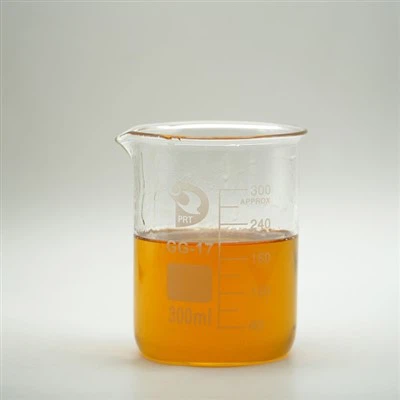
Let’s work together to make your hydraulic systems more efficient, cost – effective, and sustainable. Don’t hesitate to get in touch and start the conversation.
Hydraulic Transmission Oil References:
- ASTM International standards on hydraulic fluid recycling
- Industry reports on the benefits of hydraulic fluid recycling
Shandong Sanjing Lubrication Technology Co.,Ltd
We’re professional synthetic refractory hydraulic fluid manufacturers and suppliers in China, specialized in providing high quality products and service. We warmly welcome you to buy customized synthetic refractory hydraulic fluid made in China here from our factory.
Address: 130 meters south of Yunlong Road, East of Cherry Blossom Road, Liangshan Economic Development Zone, Jining City, Shandong Province, China.
E-mail: 15069730766@163.com
WebSite: https://www.sanjinglube.com/
